

Hormones act as messengers in the body, regulating energy, mood, sleep, and reproductive health. When they are balanced, daily life feels smoother. But when they fluctuate too much, women often notice issues like fatigue, irritability, or irregular cycles. Achieving stability in hormones is not always easy. Stress, lifestyle, and diet all influence these delicate systems. This is where yoga can make a difference. By engaging both the body and mind, yoga helps create harmony that supports the natural balance of hormones.
Considering Yoga as a Holistic Approach
Unlike quick fixes, yoga addresses multiple aspects of well-being. It is not just physical exercise. It combines movement, breath, and mindfulness in a way that encourages the body to function efficiently. Each posture stretches and strengthens muscles while also stimulating glands that play a role in hormone production. Breathing techniques calm the nervous system, which reduces stress hormones. This combination makes yoga a unique tool for women who want to care for their health in a sustainable way.
Supporting Reproductive Health
Many women turn to yoga for support with reproductive health challenges. Certain postures increase blood flow to the pelvic region, which can improve the function of the reproductive organs. Women experiencing menstrual discomfort, irregular cycles, or symptoms of menopause may find relief through consistent practice. Yoga also helps with emotional balance during these times, which is just as important as physical well-being. By creating both physical ease and emotional resilience, yoga addresses reproductive health from different angles.
Reducing the Impact of Stress

Stress is one of the biggest disruptors of hormonal health. When the body constantly produces cortisol, other hormones fall out of balance. Yoga offers a safe way to counter this. Gentle movements and controlled breathing shift the body into a state of relaxation. Meditation, which often accompanies yoga practice, further quiets the mind. This process does not eliminate stress completely, but it reduces its impact. Over time, practicing yoga consistently can ensure that cortisol levels remain more stable, supporting overall wellness.
Enhancing Thyroid Function
The thyroid gland plays a vital role in metabolism and energy regulation. When its hormones are imbalanced, symptoms like fatigue, weight changes, or mood shifts may appear. Specific yoga postures, particularly those that involve the neck and throat area, are thought to gently stimulate the thyroid. While yoga is not a replacement for medical treatment, it can be a valuable support. By improving circulation and reducing stress, yoga creates an environment where the thyroid can function at its utmost potential.
Boosting Mood and Mental Health
 Hormones strongly influence how women feel emotionally. Fluctuations can lead to anxiety, irritability, or low mood. Yoga works as a stabilizer by regulating the nervous system and improving serotonin levels. The act of focusing on the breath and body also grounds the mind, easing racing thoughts. Practicing regularly builds emotional resilience, making it easier to handle life’s challenges. The balance created through yoga extends beyond the mat, supporting women in both personal and professional aspects of life.
Bringing Yoga Into Daily Life
Yoga does not need to be complicated or time-consuming. Even short sessions can make a difference. Starting with simple poses and breathing exercises allows women to integrate yoga into busy schedules. The key is consistency rather than intensity. Over time, yoga becomes more than a practice. It becomes part of a lifestyle that supports long-term health. Whether done at home, in a class, or with an online guide, yoga offers a pathway to balance that feels accessible and sustainable.
Hormonal balance is vital for women’s overall health. While many factors influence it, yoga provides a natural and supportive way to maintain stability. By lowering stress, improving reproductive and thyroid function, boosting mood, and strengthening awareness, yoga nurtures both body and mind. Its unique ability to connect movement, breath, and mindfulness makes it a reliable practice for women seeking harmony in their health. With regular practice, yoga not only eases immediate discomfort but also supports long-term wellness in meaningful ways.…


 CPR is a life-saving technique used to maintain blood flow and oxygen supply to the body when someone’s heart and breathing have stopped. It is essential to learn proper CPR techniques, as they can significantly improve a person’s chances of survival during cardiac arrest or drowning incidents.
 Injuries like fractures and sprains can be painful and require proper first aid to prevent further damage. Learning how to immobilize an injured limb using splints or slings can provide temporary relief and prevent the condition from worsening. Applying ice packs to the injured area can help reduce swelling and alleviate pain until professional medical attention is available.
 If you smoke, you must quit at least two weeks before your surgery. This is because smoking can impede healing and increase the risk of complications. If you cannot quit entirely, you should at least cut back as much as possible. You should also avoid taking certain medications before surgery, as they can also interfere with healing. These include non-steroidal anti-inflammatory drugs (NSAIDs) such as ibuprofen, aspirin, and naproxen. Be sure to talk to your doctor about any medications you take before surgery.
 Finally, it’s crucial to choose a surgeon who is experienced and has a good track record with this type of surgery. Be sure to ask about their experience and credentials and to see before-and-after photos of previous patients. Also, be sure to ask about the risks and potential complications of the surgery, as well as what you can do to minimize those risks.
 Why do you want to buy supplements? As long as you know the purpose of the supplements it’s quick to find the best products.
 What ingredients are in the supplement you want? Build a habit of analyzing the ingredients in consumable products before buying. It will help you avoid experiencing an adverse side effect from some of the components. Also, make sure to research the side effects of the products you want. If your body reacts negatively to a product, it is best if you seize using it.


 Lying on your couch while watching T.V. can be considered a sedentary activity especially if you are one of those who watches T.V. for an average of 5 hours according to that Nielsen survey. You can elevate your watching experience by integrating some activities that are beneficial to your health.
 For some T.V. enthusiasts, they spend all their hours watching only their favorite programs. After watching my favorite video series, browsing through other programs for other programs like the latest news, sporting events, documentaries, religious and cooking shows is an excellent way to make watching T.V. more meaningful by making you more informed of events and issues that will help you become a more well-rounded person.
 Stress is one of the major problems that many people face around the world due to the kind of life that we lead. One important thing that you need to understand is that if stress cannot .be put under, control the soonest, can really, interfere with people’s life badly. Reading has been known to play a significant role in ensuring that stress is eliminated. When you focus your mind on reading an interesting novel, the stress is reduced tremendously. In fact, it disappears completely.
 Extensive reading is good for you as it can help to improve your focus and concentration. In most cases, people are unable to achieve their goals simply because they cannot have a proper concentration on whatever that they are doing. That is a problem that you eliminate by simply reading extensively.
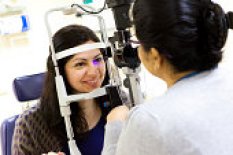 Laser eye surgery should not be done to patients who have eye disorders. It is mostly done to people who are short sighted or long sighted. However, one should note that the age of the patient could be a limiting factor when it comes to this type of surgery. For those under twenty-one years, their vision is still changing making the effects of the surgery to wear off rapidly. Those above twenty-one years have a stable vision, and the effects of the surgery can linger for longer.
 This is mainly caused by the fact that the post operation response of the corneal tissue could be unpredictable. For such a case one may have to do another procedure, or they may be forced to return to wearing glasses or lenses hence will have beat the purpose of the operation.
